Tired of Missing Your Family’s Best Moments? Here’s How We Captured Ours Every Weekend
Life slips by fast—especially the little moments that matter most. You know the ones: your niece’s first bike ride, your dad’s silly pancake flip fail, that quiet sunset chat with your sister. For years, we kept meaning to “record more,” but phones got buried in pockets and memories faded. Then we started something simple: weekend video diaries. No fancy gear, no pressure. Just us, our cameras, and a shared playlist of real life. What started as a family experiment quietly transformed how we connect—and who we include. It wasn’t about making movies. It was about making space—for laughter, for presence, for the kind of love that doesn’t need a filter.
The Weekend That Changed Everything
It began with a simple text from my sister one Friday night: “Let’s film something this weekend. Anything. Just one clip.” We’d been talking for months about wanting to stay closer, even as we lived in different cities and our lives grew busier. We’d share photos now and then, but they felt fleeting—like trying to catch smoke. Videos, we thought, might hold more. More emotion. More truth. So that Saturday, I held up my phone as my daughter tried to teach the dog to high-five. It was messy. The dog wasn’t interested. My son laughed so hard he fell off the couch. I kept rolling. No editing. No retakes. Just 48 seconds of pure, unfiltered life.
My brother filmed his toddler blowing out a candle on a lopsided cupcake. My mom recorded my dad singing off-key while watering the garden. We sent them to a shared folder, laughing at how awkward it all felt. Six weeks passed. Then, on a quiet Sunday, we gathered—virtually—for what we called our “first premiere.” We pressed play, one after another. And something unexpected happened. I saw my nephew’s grin before he even opened his eyes on his birthday morning. I heard my sister’s voice saying, “I love this part of the day,” as she sipped coffee by the window. I watched my niece twirl in a dress too big for her, completely lost in joy. The room went still. We weren’t just watching videos—we were remembering how it felt to be there.
That night changed everything because it showed us what we’d been missing: not the big events, but the in-between. The moments no one thinks to capture. The diaries weren’t about documenting perfection. They were about honoring presence. And in that compilation, we found something deeper: a sense of belonging. Even the ones who hadn’t contributed yet—our cousin in another state, our aunt who rarely joined calls—watched it all and said, “I felt like I was there.” That’s when we realized: this wasn’t just a memory project. It was a connection project. And it had already started healing the quiet distances between us.
From Forgotten Phones to Family Rituals
Before the video diaries, our phones were cluttered with half-captured moments. A blurry shot of a birthday cake. A voice memo of a child’s song, buried under grocery lists. We meant to save them, to share them, but life moved too fast. The camera stayed in our pockets, and the moments slipped away. There was always a reason not to hit record: “It’s not special enough.” “I’ll do it next time.” “I don’t want to miss it by filming.” Sound familiar? I know I’m not alone in that guilt—the feeling that we’re not paying enough attention, not preserving enough, not being present enough.
But the weekend diaries changed that. They gave us permission to film the ordinary. Now, Saturday mornings often start with someone saying, “Is this diary-worthy?” My son feeding the neighbor’s cat. My sister folding laundry while dancing to an old song. My dad trying (and failing) to make sourdough again. These aren’t grand events. But they’re real. And filming them—even for 30 seconds—makes us pause. It makes us notice. We’ve become more aware of the small beauties: the way light hits the kitchen table at 8 a.m., the sound of rain while someone reads aloud, the way my mom’s eyes crinkle when she laughs.
The habit took root slowly. At first, it felt forced. Like homework. But within a few weeks, it became natural. Now, it’s part of our rhythm. Sunday evenings, we check the folder. Did everyone send something? Did we miss a moment worth saving? It’s not about pressure or performance. It’s about care. And the most surprising shift? The guilt faded. Instead of feeling like we were missing out, we began feeling like we were catching up—with life, with each other. The phone is no longer a distraction. It’s become a tool for connection. And the best part? No one has to be tech-savvy. No one needs a tripod or lighting kit. Just a phone, a few seconds, and the willingness to say: this matters.
How Video Diaries Quietly Expanded Our Circle
We started with six of us—immediate family. But within a month, something unexpected happened. Our cousin Lisa, who lives three hours away, sent a clip of her daughter blowing bubbles in the backyard. “Not sure if this counts,” she wrote, “but it made me smile.” It counted. More than that—it opened a door. Then my brother’s friend from college, someone we hadn’t seen in years, asked if he could send a clip from his trip to the coast. “It felt like family,” he said. “I didn’t want to be left out.”
What we realized is that the video diaries became more than a family album. They became a bridge. For people who felt on the edge of the circle—too far away, too busy, too shy to join every call—this was a low-pressure way to stay connected. No need to keep up with long group texts. No pressure to speak up in a crowded Zoom. Just a short video, sent when it felt right. And that small act—pressing record, sharing a moment—created a sense of inclusion we hadn’t planned for.
Our aunt Martha, who lost her husband two years ago, started sending clips every other week. Sometimes it was her knitting by the window. Other times, it was her talking to her cat. “I don’t know who’s watching,” she said once, “but it helps me feel less alone.” That hit me deep. We weren’t just collecting memories. We were giving people a way to be seen. Even our teenage nephew, who rarely talks at family dinners, began filming his skateboard tricks and sending them with a simple note: “This one felt good.”
The beauty of it is that there are no rules. No expectations. You don’t have to be in the video. You don’t have to speak. A quiet shot of your garden after rain counts. A recording of birds outside your window counts. The only requirement is authenticity. And in that openness, we’ve welcomed people back into our lives in ways we never expected. The diaries didn’t just preserve moments—they created new ones. New conversations. New understandings. New chances to say, without words: I’m here. I remember you.
The Tech That Just Works (No Expertise Needed)
One of the biggest myths about video diaries is that you need expensive gear or editing skills. We believed that too—at first. We imagined needing tripods, mics, software with sliders and timelines. But the truth? The tech we use is simple, free, and built into the devices we already own. The goal isn’t production quality. It’s heart. And the tools we’ve chosen keep the focus there.
Here’s how it works: we use a shared cloud folder—Google Drive, but you could use iCloud, Dropbox, or any platform your family already uses. One folder, named “Family Weekend Diaries,” with subfolders for each month. When someone films a clip, they save it to the current month’s folder. That’s it. No uploading stress. No lost files. Everyone with access can view, but only family admins can organize—keeps things tidy.
We also use a simple naming system: first name, date, short description. Like “Sarah_0412_BirthdayCupcake.” It sounds small, but it makes a huge difference when you’re scrolling through clips months later. You don’t have to guess who’s in the video or when it was filmed. And because the files are stored in the cloud, we can watch them anytime—even on the TV, using a streaming device. No USB drives. No emailing large files. Just click and play.
For editing? We don’t really edit. But when we want to combine clips—like for a birthday montage—we use free apps like CapCut or iMovie. Both are easy to learn. Drag and drop. Add music if you want. No fancy skills needed. We even created a shared playlist of background music—mostly acoustic covers and soft piano—so the tone stays warm and calm. The whole process takes less than 20 minutes. And the best part? The tech stays in the background. It doesn’t become a chore. It doesn’t create stress. It just works—so we can focus on what really matters: the people, the moments, the feelings.
Turning Chaos into Calm: The Emotional Payoff
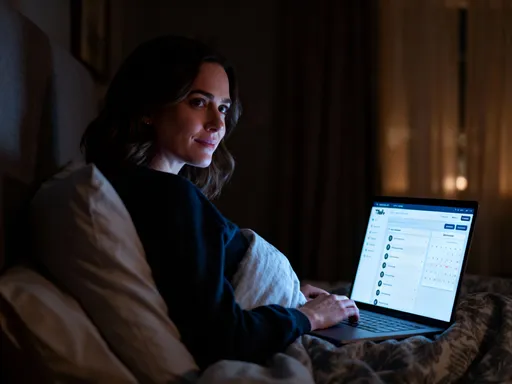
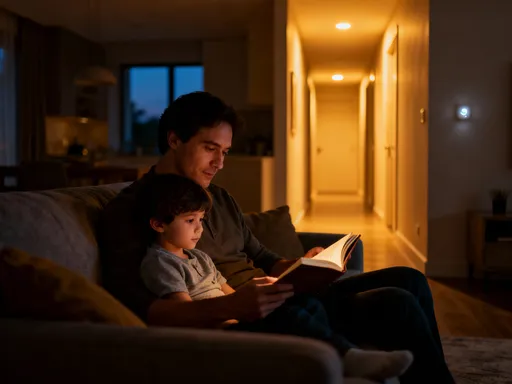
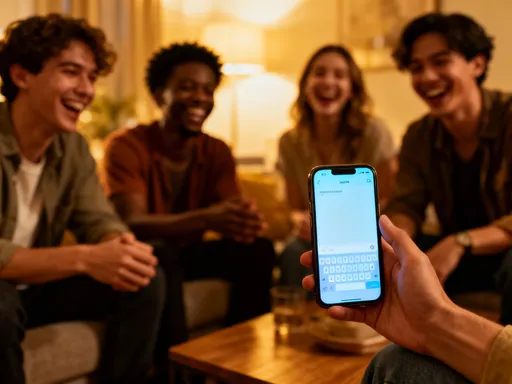
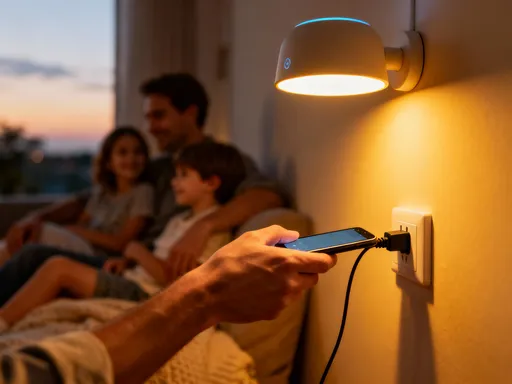
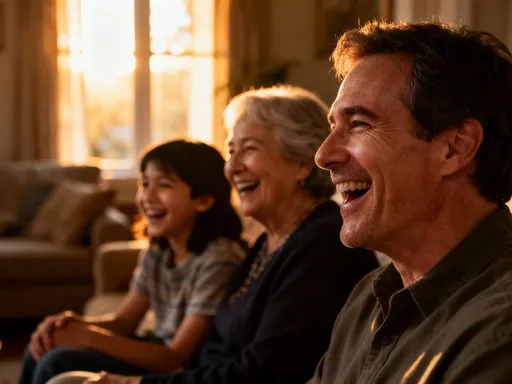
Let’s be honest: weekends are rarely peaceful. There’s laundry. Errands. Last-minute plans that fall through. Kids melting down. Adults feeling overwhelmed. We used to end Sundays drained, already dreading Monday. But something shifted when we started watching the clips together each week. Sunday evenings became something we looked forward to. We call it our “replay night.” We dim the lights, pour tea, and watch the weekend’s videos—ours and everyone else’s.
At first, it was just fun. We laughed at the dog’s dramatic reaction to a vacuum cleaner. We cheered when my nephew finally rode his bike without training wheels. But over time, something deeper emerged. Watching these moments replayed helped us reframe the chaos. Instead of focusing on what went wrong—the spilled milk, the forgotten appointment—we began seeing what went right. The way my daughter hugged her brother after he cried. The way my husband made pancakes even though he was tired. The quiet moment my mom spent watering her plants, humming to herself.
It became a ritual of gratitude. Not forced. Not performative. Just real. And that small shift—choosing to focus on the good—had ripple effects. We became more patient. More present. When a tough moment came—a disagreement, a stress spiral—we found ourselves pausing, remembering: “There’s more to this than the hard part.” We started saying things like, “Remember how calm we felt last Sunday?” or “I saw your clip. You looked so happy. What made that moment good?” The videos didn’t erase stress, but they gave us perspective. They reminded us that joy exists—even in small doses—and that it’s worth noticing.
For me, personally, it’s helped with anxiety. On hard days, I’ll go back and watch an old clip—maybe one of my kids building a fort out of blankets, or my sister dancing in the kitchen. It doesn’t fix everything, but it grounds me. It reminds me of what’s real. What’s lasting. And that’s a kind of calm no meditation app has ever given me.
What We’ve Learned About Ourselves—And Each Other
After a year of weekend diaries, we started to see patterns. Not in the videos themselves, but in how we showed up. Who filmed the quiet moments? Who always captured the laughter? Who stepped in when someone was struggling? We began to notice the invisible threads—the ways we care that often go unseen.
My brother, who’s usually quiet, films the most. Especially his kids. But not just the big wins. He captures the small things: his daughter tying her shoes for the first time, his son sharing his snack with a friend. Watching his clips, I realized how observant he is. How tender. I’d always seen him as reserved. Now I see him as deeply present. My sister, who jokes that she’s “bad at feelings,” sends the most emotional clips—her dog’s last walk, her mom’s hands folding laundry. She doesn’t talk much about grief, but her videos do. They’re her way of processing. And in seeing that, I’ve learned to listen differently—not just to words, but to gestures, to silence, to what’s filmed and what’s left out.
My mom, who once said she “didn’t know what to film,” now sends clips of her garden, her coffee, her cat. She films the same things again and again. At first, I thought it was repetition. Then I realized: she’s finding peace in routine. In the familiar. And that’s her strength. She doesn’t need excitement. She finds joy in consistency. Seeing that changed how I interact with her. I don’t push her to “do more.” I honor her pace.
These insights didn’t come from deep conversations. They came from watching. From noticing. And they’ve deepened our relationships in quiet but powerful ways. We’re more empathetic. More forgiving. We don’t expect everyone to show love the same way. And that’s freed us—to be ourselves, to love in our own language, to feel seen without having to explain.
Starting Your Own: Simple Steps That Stick
If you’re thinking about starting your own weekend diaries, I’ll be honest: the first clip is the hardest. That voice in your head will say, “This isn’t special.” “No one will care.” “I look tired.” I’ve felt all of that. But here’s what I’ve learned: perfection is the enemy of connection. The magic isn’t in the quality of the video. It’s in the act of sharing. So start small. Film 20 seconds of something real. Your hands stirring soup. Your child’s feet kicking on a swing. The steam rising from your morning tea.
Next, pick your tech. Use what you already have. A shared folder. A free app. Keep it simple so it sticks. Then, invite people in—gently. Don’t make it a demand. Say, “We’re trying something fun. Want to join? No pressure. Just send a clip if you feel like it.” Let people opt in at their own pace. Some will jump in right away. Others will watch first. That’s okay. Inclusion isn’t about numbers. It’s about openness.
Set a rhythm that works. We do weekends, but maybe you prefer Sundays only, or every other week. The key is consistency, not frequency. And don’t worry about storage. Cloud services offer plenty of space, and you can always archive old clips. If someone hesitates, remind them: this isn’t for social media. It’s for family. It’s private. It’s safe. It’s about love, not likes.
And when you watch together—whether in person or online—let it be easy. No critiques. No “you should’ve filmed this.” Just presence. Let the videos speak. Let the silence between them speak too. Over time, you’ll find your own rhythm, your own meaning. You’ll start noticing what matters. And one day, you’ll press play on a year’s worth of clips and realize: this is us. This is our life. And it’s beautiful.
More Than Videos—A Living Legacy
These aren’t just videos. They’re not files on a server or clips in a folder. They’re proof of how we loved. How we showed up. How we chose to see each other, even on ordinary days. In a world that pulls us in a hundred directions, that celebrates noise over stillness, this small habit became our anchor. It didn’t take much—just a few seconds each week, a little intention, a shared space.
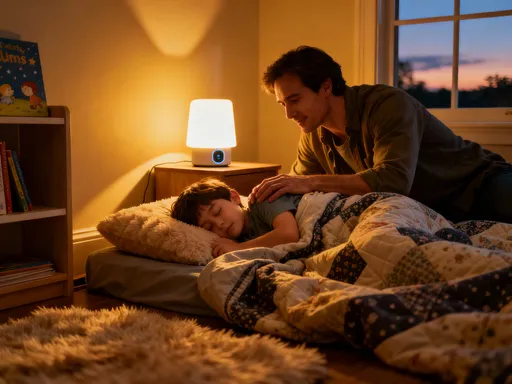
But what it gave us was immeasurable. Closer bonds. Deeper understanding. A record of resilience, joy, and quiet courage. When my daughter is grown, I want her to see how we laughed. How we fumbled. How we loved anyway. I want her to know she was seen. That her giggles mattered. That her quiet moments were witnessed.
And when I’m gone, I hope someone presses play. I hope they see my hands, my voice, my imperfect smile. I hope they feel what I felt: that I was here. That I cared. That I loved fiercely, even in small ways.
So yes, it’s worth pressing record. Not for fame. Not for perfection. But for presence. For memory. For the people who matter most. Because one day, the ordinary will be the extraordinary. And you’ll be so glad you captured it.