Tired of Missing Bedtime Stories? How Smart Scenes Keep Me Connected to My Kids
Ever feel like you're missing precious moments with your children, even when you're under the same roof? Between late work calls and busy evenings, I kept skipping bedtime routines. Then I discovered smart scene settings—not flashy tech, but quiet, thoughtful automations that help me stay present. Now, with just a tap or a voice command, our home shifts into family mode, making space for connection without the chaos. It’s not about having the fanciest gadgets. It’s about using simple technology to protect what matters most: time, attention, and love.
The Little Moments That Slipped Away
There was a week last fall when I missed three bedtime stories in a row. My youngest, Lily, didn’t say much—just tucked her stuffed bunny under her chin and turned toward the wall. But the quiet disappointment in her eyes hit me like a wave. I was right there, in the kitchen, answering emails and shuffling papers, telling myself I was working for our family. Yet somehow, I wasn’t really with them. That’s when I realized: being physically present doesn’t always mean being emotionally present. The distractions weren’t just external—phones, messages, to-do lists—they were internal too. My mind was always three steps ahead, planning the next day, replaying the last meeting, calculating how much laundry I could fold before collapsing into bed.
Like so many of us, I’d fallen into the trap of thinking that if I could just do more, organize better, or work faster, I’d finally catch up. But the truth was, no amount of productivity was giving me back those soft, sleepy moments when my kids whisper secrets or ask, “Will you stay just one more minute?” I started noticing how often we were all in the same room but living in separate worlds—my husband scrolling news, the kids glued to tablets, me half-listening while mentally drafting grocery lists. We were together, but not connected.
That’s when I began to wonder: could technology, the very thing pulling us apart, actually help bring us back together? Not by adding more screens or notifications, but by using it more thoughtfully—like a gentle nudge toward presence. I didn’t need a robot nanny or a voice-controlled robot dog. I needed something simple, something that could help me transition from “work mode” to “mom mode” without forgetting to breathe. That’s how I found smart scenes.
Discovering Smart Scenes—Not Just for Tech Geeks
At first, “smart scenes” sounded like something out of a sci-fi movie—complicated, intimidating, definitely not for someone who still needs instructions to reset the Wi-Fi. But when I finally looked into it, I realized they’re actually one of the most user-friendly features of modern smart homes. A smart scene is like a mood preset for your house. You choose a name—“Family Time,” “Goodnight,” “Morning Light”—and program it to adjust your lights, thermostat, music, and even notifications with a single tap or voice command.
Think of it like setting the stage for the kind of evening you want to have. No more fumbling for light switches, no more yelling, “Turn off the iPad!” across the house. Instead, you say, “Hey Google, start Family Time,” and just like that, the living room lights dim to a warm glow, the TV shuts off, soft music begins to play, and your phone goes into Do Not Disturb mode. It’s not magic—it’s intention, made automatic.
What surprised me most was how emotional it felt. I didn’t expect to get misty-eyed because the lights turned down at 7 p.m., but there I was, heart softening as the house settled into a rhythm that said, “This time is for us.” I realized I wasn’t just automating tasks—I was creating space for connection. And the best part? You don’t need to be a tech expert. Most smart home apps walk you through setup in minutes. I used my existing smart bulbs and speaker—no new purchases, no wiring, no stress. It was less about the gadgets and more about the mindset: using technology not to escape life, but to return to it.
From Chaos to Calm: Designing a Bedtime Scene That Works
Bedtime used to be the most stressful part of our day. There were battles over pajamas, arguments about toothbrushing, and endless requests for “one more book.” I’d end up exhausted, snapping at the kids, then feeling guilty the second they fell asleep. I wanted bedtime to be peaceful, but it always felt like a battle to be won. That changed when I created our “Story Time” scene.
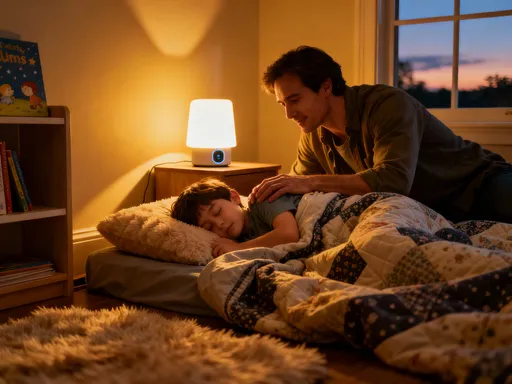
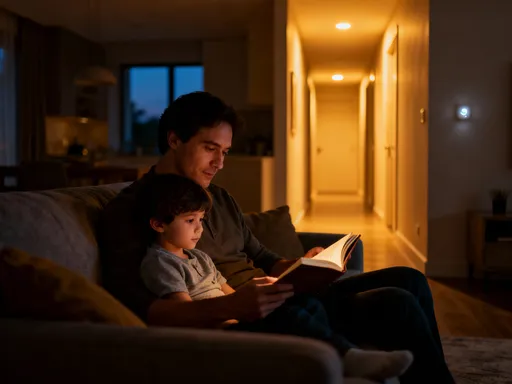
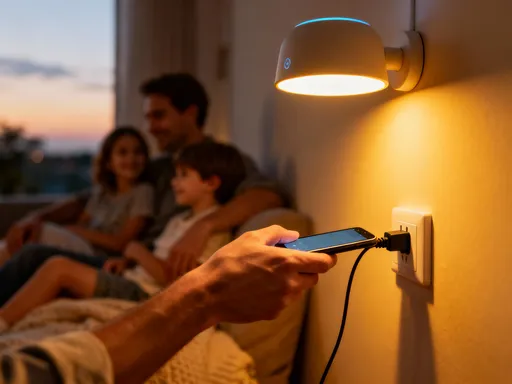
Now, at 7:30 p.m., I say, “Alexa, begin Story Time,” and the house shifts. The overhead lights fade to 30% brightness, casting a soft, golden glow. A playlist of gentle lullabies starts—nothing too loud, just enough to settle little minds. The thermostat adjusts to keep the room cozy, and my phone silences all notifications except calls from family. Then, a recorded message plays in my voice: “It’s story time, sweethearts. Grab your books and your bunnies.” The first time I tried it, my daughter looked up, eyes wide, and said, “Mommy, the lights know it’s story time!”
That moment cracked something open in me. It wasn’t just about convenience—it was about ritual. Children thrive on predictability, and this little automation gave them a signal that the day was winding down. No more reminders, no more power struggles. They knew what came next: snuggle, stories, and sleep. For me, it became a mental cue too. Hearing my own voice say “story time” pulled me out of work mode and into mom mode. I stopped checking my inbox. I started really listening.
Within a week, bedtime battles dropped by half. We were reading more books, sharing more whispers, and ending the day with hugs instead of frustration. I even started looking forward to it. The scene didn’t replace my presence—it protected it. And that made all the difference.
Dinner Time, Reimagined with a Simple Tap
Dinnertime used to be another battleground. The TV would stay on, the kids would eat with one eye on the screen, and conversations were short and scattered. I’d ask, “How was school?” and get a one-word answer before someone asked to be excused. I knew we were missing something—we weren’t just sharing a meal; we were missing each other.
So I created a “Family Dinner” scene. With one tap on my phone, the living room TV turns off, the dining room lights brighten to a warm white, and a playlist of soft acoustic music begins to play—nothing distracting, just enough to fill the silence between bites. My phone goes into Focus mode, and the kitchen speaker announces, “Dinner is served. Let’s eat and talk.”
The first night we used it, my son paused mid-bite and said, “It feels like a restaurant.” I laughed, but he was onto something. The lighting, the music, the quiet—it created an atmosphere that said, “This time matters.” And slowly, the conversation began to flow. Without the TV pulling their attention, the kids started sharing more. My daughter told us about a girl who’d been left out at recess and how she’d invited her to play. My son confessed he was nervous about a spelling test. These were the kinds of things they’d usually keep to themselves.
Over time, I noticed our meals were lasting longer—not because we were eating more, but because we were talking more. We went from rushing through dinner in 15 minutes to lingering for 30 or more. I started keeping a little notebook on the counter, jotting down things they said. It became my favorite part of the day. The scene didn’t force conversation, but it made space for it. And in that space, we found each other again.
Morning Mayhem, Tamed by One Command
Mornings used to feel like a race against the clock. I’d wake up already behind, tripping over backpacks, yelling about missing shoes, and burning the toast. The kids would stumble out of bed, grumpy and disoriented, and I’d feel like a drill sergeant instead of a mom. By the time we got out the door, everyone was frazzled, and I’d spend the drive to school apologizing for being short-tempered.
Then I set up a “Good Morning” scene. Every day at 6:45 a.m., the smart lights in the kids’ rooms slowly brighten, mimicking sunrise. Soft music plays—something cheerful but not jarring, like gentle piano or acoustic guitar. The thermostat adjusts to a cozy wake-up temperature, the coffee maker starts brewing, and a voice message says, “Good morning, team! Time to rise and shine. Today is going to be a great day.”
The change was almost immediate. My kids started waking up more calmly, no longer startled by a blaring alarm. They’d stretch, yawn, and head to the kitchen, drawn by the smell of coffee and the soft music. I wasn’t shouting “Get up!” anymore—I was greeting them. And because the house was already awake, I had time to pour cereal, pack lunches, and even share a few quiet moments before the rush.
But the biggest surprise was how much more independent they became. Without me nagging, they started following the cues: lights on means get dressed, music playing means brush your teeth, coffee brewing means breakfast is coming. They weren’t just waking up—they were waking up with purpose. Forgotten homework? Down 60%. Late departures? Almost gone. And I got something priceless: three extra minutes every morning to sit with them, hold their hands, and say, “I love you,” before they ran out the door.
The Real Measure of Success: Time, Presence, and Peace
After using smart scenes for a few months, I started noticing changes I couldn’t have measured with apps or data. I was more patient. I laughed more. I felt less like a manager and more like a mom. I didn’t need to track everything, but I did keep a small journal for a week to see what had shifted. The numbers surprised me: I read bedtime stories 40% more often. Family dinners lasted 30% longer. And I could count on one hand the number of times I raised my voice.
But the real success wasn’t in the stats. It was in the way my daughter now runs to me and says, “Mommy, the house knows it’s story time!” It was in the way my son paused during dinner to say, “I like when we talk like this.” It was in the quiet mornings when we all sat together, sipping coffee and juice, just being.
Smart scenes didn’t make me a perfect parent. But they helped me be more present. They didn’t eliminate stress, but they gave me tools to manage it. And they didn’t replace love—but they made space for it to grow. The technology didn’t take over; it stepped back. It handled the small stuff—lights, music, temperature—so I could focus on the big stuff: listening, hugging, being there.
That’s the power of using tech with intention. It’s not about living in a futuristic home. It’s about creating a home that supports the life you want to live—one where you’re not constantly putting out fires, but where you can actually enjoy the warmth.
Building a Home That Cares, One Scene at a Time
Looking back, I realize I was wrong to think technology was the enemy of connection. Used carelessly, it can distract and divide. But used wisely, it can protect and deepen our relationships. Smart scenes taught me that the most powerful tools aren’t the ones that do everything for us—they’re the ones that help us do what matters most, ourselves.
Our home isn’t perfect. There are still messy days, forgotten permission slips, and moments when I lose my cool. But now, I have a way to reset. With a single command, I can shift the mood, slow down the pace, and bring us back to each other. I’ve added new scenes too—“Homework Hour,” “Movie Night,” “Quiet Time”—each one a small act of care, a way of saying, “This moment matters.”
If you’re feeling stretched thin, if you’re missing the little moments that make parenting so special, I encourage you to try it. Start small. Pick one routine that feels chaotic—bedtime, dinner, mornings—and design a scene that supports the feeling you want to create. You don’t need a full smart home. Just one bulb, one speaker, one intention. Let the technology handle the details so you can focus on what really counts: being there, fully, for the people you love.
Because at the end of the day, we don’t want more gadgets. We want more time. More peace. More connection. And sometimes, the quietest technology—the one that doesn’t demand attention but gives it back—can be the most revolutionary of all. Our home doesn’t just respond to us anymore. It helps us respond to each other. And that, more than anything, is the kind of future I want for my family.