From Chaos to Calm: How Smart Energy Settings Gave Me My Evenings Back
Life used to feel like a never-ending race—lights left on, thermostats forgotten, bills piling up. I was tired, distracted, and always playing catch-up. Then I discovered smart energy-saving settings, not as tech gadgets, but as quiet helpers that quietly organized my home and my time. This isn’t about automation—it’s about intention. Suddenly, my house felt more peaceful, my routine more balanced, and my mind more at ease. Let me show you how small tech tweaks brought big changes to my everyday life.
The Evening Struggle: When Home Feels More Like Work
Remember that moment when you finally walk through the front door after a long day? You’re carrying groceries, your shoulders are tight, and all you want is to sit down and breathe. But instead of peace, you’re met with a house that feels… unfinished. The hallway light has been on since morning. The air conditioning is blasting in an empty living room. The coffee maker? Still on. Again. And somewhere in the back of your mind, a quiet voice whispers: Did I unplug the iron?
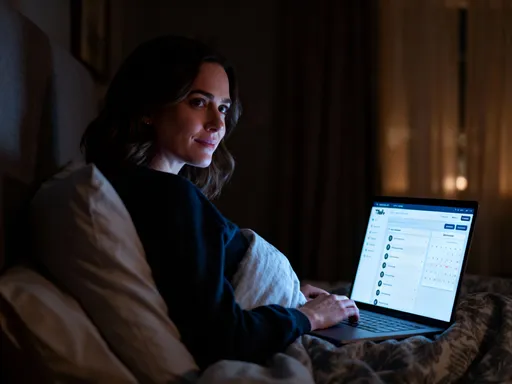
That was my life for years. Not chaotic in a dramatic way—no broken pipes or screaming matches—but in that slow, grinding way that wears you down. I wasn’t just managing a home; I was managing a checklist. Turn off the lights. Adjust the thermostat. Unplug the toaster. Check the back door. It wasn’t the big things that drained me. It was the little things, repeated every single day, that turned my evenings into one long to-do list.
And then there were the bills. Every month, like clockwork, another surprise. Not because I was careless, but because I was overwhelmed. Who remembers to lower the heat when you leave for work? Who thinks about how much energy that old TV standby mode uses? I didn’t. And over time, those small oversights added up—not just in dollars, but in mental load. I started to feel like my home was working against me, like it needed constant supervision just to behave. I wanted a sanctuary, but I was stuck being a manager.
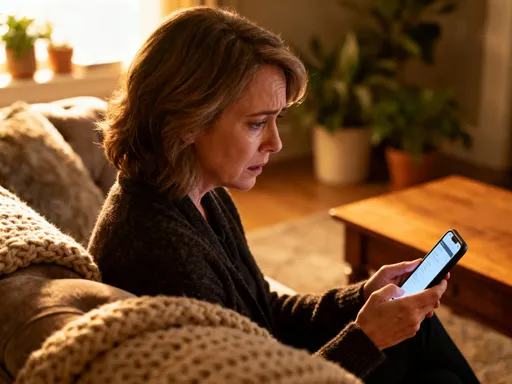
It wasn’t until I sat on the couch one night, too tired to get up and turn off the kitchen light, that I realized something had to change. I wasn’t lazy. I was exhausted. And if technology could help carry some of that weight—if it could handle the little things so I could focus on the big ones—why wasn’t I using it?
Meeting My Home’s Hidden Helper: Discovering Smart Energy Settings
I’ll admit, the word “smart” used to scare me. It made me think of complicated apps, blinking lights, and instructions that read like a foreign language. I’m not an engineer. I don’t want to spend my evenings programming devices. But what I discovered was something completely different: smart energy settings aren’t about complexity. They’re about simplicity. They’re about letting your home do the remembering so you don’t have to.
It started small. I bought a smart thermostat—not because I wanted to be techy, but because I was tired of walking into a freezing house at night. The setup took less than 20 minutes. I downloaded the app, followed the steps, and within an hour, it was learning my schedule. No coding. No wiring. Just me living my life while it watched and adjusted.
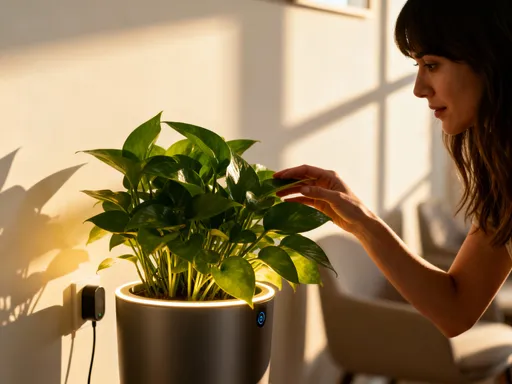
Then came the smart plugs. I started with one—plugged into the coffee maker. With a few taps, I set it to turn off automatically an hour after I usually brew. No more guilt. No more late-night checkups. Then another for the lamp in the guest room, which always seemed to stay on for days. And another for the space heater I sometimes forgot to unplug.
What surprised me most wasn’t the energy savings—it was the peace of mind. For the first time in years, I could leave the house without that nagging doubt: Did I turn everything off? The house was watching itself. I didn’t need to become a tech expert. I just needed to want a better routine. And that was enough.
How My Lights Learned My Life (And Gave Me Back Time)
Lighting is one of those things you don’t think about—until it’s wrong. Too bright when you’re trying to wind down. Too dim when you’re reading. Left on all night in a room no one’s using. I used to walk through the house every evening like a night watchman, flipping switches, reminding the kids, double-checking behind everyone. It felt like part of being a good mom, a good wife, a good homeowner. But it wasn’t care. It was control. And it was exhausting.
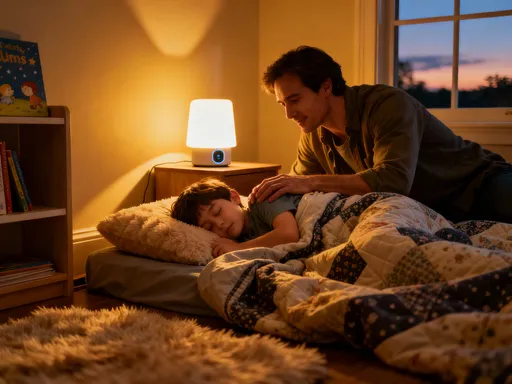
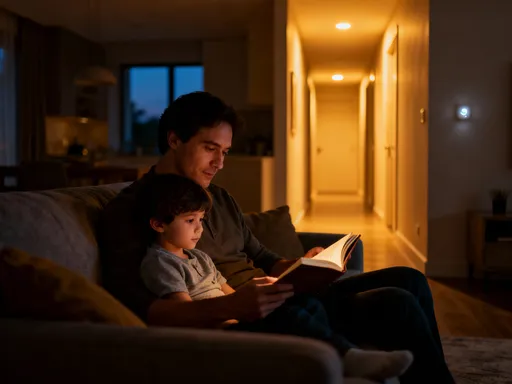
Then I tried smart lighting. Not full color-changing party lights—just simple bulbs with scheduling and motion sensing. I set them to dim automatically at 8 p.m., creating a softer, calmer atmosphere. The hallway light turns on only when someone walks by at night. The living room lights shut off at 10:30, unless someone’s still up.
One night, I was reading to my youngest before bed. The room was softly lit, just enough to see the pictures in the storybook. The air was still. No distractions. And when we finished, we just got up and left. I didn’t have to go back later to turn off the light. It did it for us. That moment hit me: this wasn’t about saving electricity. It was about presence. I wasn’t thinking about chores. I was in the moment, with my child, in a space that felt warm and intentional.
That’s when I realized—smart lighting wasn’t changing my home. It was changing my time. The minutes I used to spend turning things off, checking things, managing things, were now mine. I could use them to read, to talk, to just sit. And those small pockets of time? They added up. I started going to bed earlier. I felt more rested. My evenings stopped feeling like a race and started feeling like a rhythm.
The Thermostat That Actually Listens
Temperature is emotional. Ever walk into a cold house after work and feel your shoulders tense up? Or wake up in the middle of the night, sweating, because the heat kicked on at 2 a.m.? I have. And I used to think I just had to live with it—adjust the thermostat manually, guess when to turn it up or down, and hope for the best.
Then I got a learning thermostat. It doesn’t just follow a schedule. It learns. It noticed that I like the house warmer at 7 a.m., when I’m making breakfast. It knows I lower the heat when we leave for school and work. It even adjusts when we come home earlier on weekends. I didn’t have to program it. I just lived, and it adapted.
One winter morning, I woke up and the house was perfectly warm—cozy, but not stuffy. I didn’t remember adjusting the thermostat. But the system did. It had learned that on cold mornings, I like a little extra heat. And it gave it to me—without me asking.
I remember saying out loud, ‘It’s like my house finally gets me.’ And that’s the thing—this isn’t about convenience. It’s about comfort. When your home feels good, you feel good. When you’re not fighting with the temperature, you’re not fighting with your day. And when your body isn’t stressed by sudden changes in heat or cold, your mind relaxes too.
The savings were nice—about 15% on our heating bill last winter—but that wasn’t the real win. The real win was consistency. No more guessing. No more forgetting. Just a home that felt steady, no matter what the day threw at us.
Power on Autopilot: Letting Go of the ‘Did I Turn It Off?’ Worry
There’s a special kind of anxiety that comes from wondering if you left something on. The curling iron. The stove. The iron. I’ve turned around in the parking lot more than once to go back and check. And even when I’m sure I turned it off, that little voice lingers: But what if I didn’t?
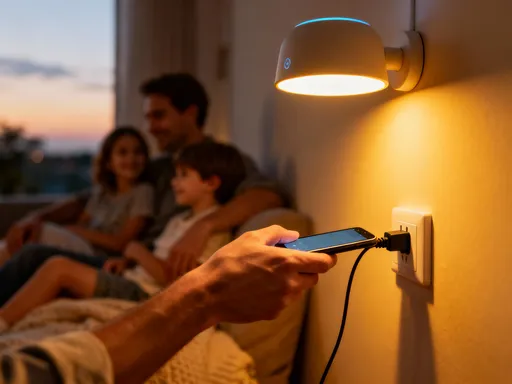
Smart plugs changed that. Now, I can check from my phone. I can turn things off remotely. I can set them to shut down automatically. The coffee maker? Off at 9 a.m. The TV and sound system? Off at 11 p.m., even if someone fell asleep on the couch. The holiday lights? On at dusk, off at midnight—no climbing on ladders or remembering dates.
But the biggest relief came from something I didn’t expect: phantom loads. I had no idea how much energy my devices were using when they were ‘off’ but still plugged in. The microwave clock. The gaming console. The printer. All of them sipping power, 24/7. With a smart plug and an energy monitor, I could see exactly how much each one used. And I could stop it.
One month, we saved enough on our electric bill to cover a family movie night—tickets, popcorn, the works. It wasn’t a fortune. But it felt like a win. Because it wasn’t just about money. It was about control. It was about making choices that added up, not just for our wallet, but for our peace of mind. And when the kids saw that their ‘energy-saving challenge’ helped fund a fun night out, they started turning things off too. It became a family habit—effortless, because the tech made it easy.
Building a Smarter Routine, One Setting at a Time
Here’s what no one tells you about smart home tech: it doesn’t just change your house. It changes your habits. Slowly, gently, without you even noticing.
Because my lights dim at 8 p.m., I start winding down earlier. Because the house cools down at night, I sleep better. Because I’m not spending 15 minutes every evening checking outlets, I have time to journal, stretch, or just talk to my husband without distraction.
These tools didn’t take over my life. They supported it. They removed the friction from the little decisions—when to turn things off, how warm to make the house, whether I remembered to unplug the iron—so I could focus on what mattered. And over time, that added up to something bigger: I felt more in control. More intentional. More like the person I want to be.
There’s a concept called ‘decision fatigue’—the idea that every small choice we make drains our mental energy. By automating the tiny, repetitive decisions, I’ve freed up space in my brain. I’m less reactive. More present. And honestly? I’m kinder. When I’m not running on mental fumes, I have more patience, more laughter, more love to give.
Technology didn’t fix my life. But it gave me back the time and energy to fix it myself.
More Than Savings: How Small Tech Brought Big Peace
When I first looked into smart energy settings, I thought I was just trying to save money. But what I found was so much more. I found time. I found calm. I found a home that feels like it’s working with me, not against me.
This isn’t about having the fanciest gadgets or the most automated house on the block. It’s about creating a space that supports your well-being. It’s about reducing stress, not adding more. It’s about making your home a place where you can breathe, rest, and reconnect.
Every time I walk into a softly lit room, every time I feel the perfect temperature, every time I leave the house without looking back—I feel a little more at ease. And that ease doesn’t just stay in the house. It follows me. It shows up in how I parent, how I work, how I love.
So if you’re feeling overwhelmed by the little things—if your home feels like a job instead of a refuge—know this: you don’t have to do it all. You don’t have to remember everything. Your home can help. You just have to let it in. Start small. Try one smart plug. Set one schedule. See how it feels to cross one thing off your mental checklist.
Because peace isn’t always found in grand gestures. Sometimes, it’s in the quiet hum of a house that knows when to turn off the lights. And sometimes, that’s enough to change everything.