How I Mastered My Money: A Real Talk on Smarter Investing for Skill Builders
Ever feel like your hard-earned cash is just… sitting there? I did too—until I stopped chasing quick wins and started treating my finances like a skill to grow. This isn’t about get-rich-quick schemes; it’s about building a solid plan that works while you learn and earn. Here’s how I restructured my assets, stayed safe, and grew confidence—not just balances. It wasn’t an overnight change, but a series of intentional choices that added up. I began with no special knowledge, just frustration and a desire to do better. Over time, I learned that smart investing isn’t about luck or insider access. It’s about clarity, consistency, and control. And the best part? Anyone can build it, one step at a time.
The Wake-Up Call: Why I Finally Took Control of My Finances
For years, I treated my money like a chore—something to avoid until the end of the month, when I’d check my bank balance with a mix of dread and resignation. I paid my bills on time and saved what I could, but I never looked beyond the surface. Investing felt like a world reserved for people in suits, with expensive advisors and six-figure incomes. I told myself I didn’t have enough to start, or that I’d learn “someday.” But that someday never came—until a simple realization hit me: every dollar I wasn’t investing was losing value, not just staying still. Inflation was quietly reducing what my savings could buy, and I was doing nothing to stop it.
The turning point came when I compared my financial habits to my career growth. I’d spent years improving my professional skills—taking courses, earning certifications, and seeking feedback. Yet I’d never applied that same discipline to my money. That inconsistency bothered me. If I could learn new software or adapt to changing job demands, why couldn’t I learn to manage my finances? That shift in mindset—from seeing money as something that just happens to me, to something I could actively shape—was the real breakthrough. I stopped viewing financial planning as a mysterious art and started treating it like a practical skill, one that could be studied, practiced, and improved.
My first step was honest self-assessment. I gathered all my account statements, listed my income, expenses, debts, and savings. The numbers weren’t shocking, but they were revealing. I saw how much I was earning, but also how little was actually working for me. Most of my savings sat in a basic checking account earning nearly zero interest. I had no emergency fund, no retirement plan, and no clear goals. That moment of clarity was uncomfortable, but necessary. It was like taking a diagnostic test before starting a new course—knowing where I stood gave me a starting point. From there, I began researching basic financial concepts, not with the goal of becoming an expert overnight, but with the intention of building steady understanding. I read books, listened to trusted financial podcasts, and followed simple, reputable blogs. The more I learned, the less intimidating the process became. I realized that financial control wasn’t about perfection—it was about progress, one informed decision at a time.
Asset Allocation Is Not Rocket Science—But It Needs a Plan
One of the first terms I encountered was “asset allocation,” and at first, it sounded complicated. I imagined complex charts and high-stakes decisions. But as I dug deeper, I realized it’s actually a straightforward concept: it’s about how you divide your money among different types of investments. The goal is balance—spreading your risk so that if one area struggles, others can help stabilize your overall portfolio. Think of it like a well-rounded diet. If you ate only carbohydrates, your body wouldn’t function well. The same principle applies to your finances. Stocks, bonds, and cash equivalents each play a unique role, and the right mix depends on your goals, timeline, and comfort with risk.
When I first started, I made the common mistake of putting all my savings into a single place—a regular savings account. It felt safe, and I could access the money easily. But over time, I realized that safety came at a cost. The interest rate was barely above zero, while inflation was rising steadily. That meant my money was losing purchasing power, even though the number in my account stayed the same. I was preserving capital, but not growing it. On the other end of the spectrum, I saw friends jumping into trendy stocks or cryptocurrency, chasing high returns. While some made short-term gains, others lost significant amounts when markets shifted. I didn’t want to swing between these extremes. I wanted a middle path—one that balanced growth potential with stability.
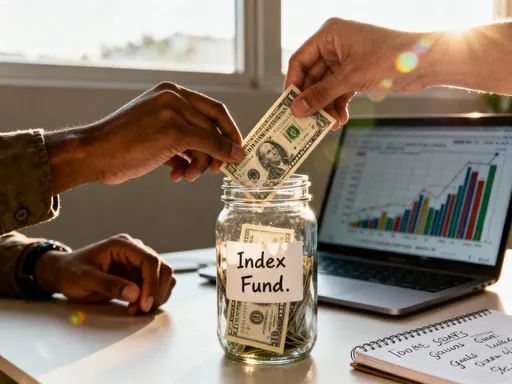
That’s when I learned about diversification. It’s not about predicting which investment will win; it’s about preparing for uncertainty. By spreading money across different asset classes—such as domestic and international stocks, government and corporate bonds, and short-term cash instruments—I reduced the impact of any single loss. For example, when stock markets dip, bonds often hold their value or even rise, helping to cushion the blow. Similarly, having some cash on hand allows you to take advantage of opportunities without selling investments at a loss. I started small, using low-cost index funds that automatically provided broad market exposure. These funds track major market indexes, like the S&P 500, and offer instant diversification without requiring deep knowledge of individual stocks. They also come with lower fees than actively managed funds, which means more of my returns stayed in my pocket.
Building my asset allocation wasn’t a one-time event. I revisited it regularly, adjusting as my life changed. When I was younger and had a longer timeline, I could afford to take on more stock exposure for growth. As I got closer to major goals, like saving for a home or planning for future expenses, I gradually increased my bond and cash holdings to protect what I’d built. The key was having a plan—not a rigid set of rules, but a flexible framework that evolved with me. I used simple tools like online calculators and risk assessment questionnaires to guide my decisions, always keeping my long-term goals in focus. Over time, this approach gave me confidence. I wasn’t trying to beat the market; I was building a portfolio that could withstand it.
Risk Control: Protecting Your Progress Without Playing It Too Safe
One of my biggest fears when starting out was losing money. I’d heard stories of people who invested everything and lost it all during market crashes. That fear kept me stuck in low-yield accounts for years. But as I learned more, I realized that avoiding risk entirely isn’t a safe strategy—it’s a slow one. Inflation, taxes, and missed growth opportunities are all forms of financial risk, even if they don’t feel dramatic. The real goal isn’t to eliminate risk, but to manage it wisely. I began to see risk control not as a barrier to investing, but as a core part of it—a way to protect my progress while still allowing room for growth.
One of the most helpful tools I adopted was regular portfolio rebalancing. Over time, different investments perform differently. For example, if stocks do well, they might grow to make up a larger portion of my portfolio than I originally intended. That increases my exposure to market swings. Rebalancing means periodically selling some of the assets that have grown and buying more of those that have lagged, bringing my allocation back in line with my plan. It’s a disciplined way to “sell high and buy low” without trying to time the market. I set a schedule—once a year or after a major life change—to review and adjust my holdings. This simple habit helped me stay on track and avoid emotional decisions during market highs or lows.
Another strategy I use is time-based exposure. Instead of investing a large sum all at once, I spread my contributions over time through a method called dollar-cost averaging. This means investing a fixed amount regularly—like monthly—regardless of market conditions. When prices are low, I buy more shares; when prices are high, I buy fewer. Over time, this smooths out the average cost and reduces the risk of investing a lump sum at the wrong time. It’s especially useful for beginners who want to ease into the market without feeling pressure to “get it right” immediately. I automated this process through my brokerage account, setting up recurring transfers from my bank. That way, I stayed consistent without having to remember each month.
I also pay attention to the fees and taxes associated with my investments. High expense ratios, trading fees, and taxable gains can quietly erode returns. I chose low-cost funds and tax-efficient accounts, such as retirement accounts that offer tax deferrals or tax-free growth. These small optimizations don’t make headlines, but over decades, they make a significant difference. I don’t try to eliminate all risk—I know markets will fluctuate. But by using these tools, I’ve created a structure that helps me stay the course, even when the news is scary or the market is volatile. That sense of control has been just as valuable as the financial returns.
Learning Pays Off: How Skill Development Boosts Financial Confidence
One of the most powerful investments I’ve ever made wasn’t in a stock or fund—it was in myself. I realized early on that the more I understood about money, the less intimidating it became. So I dedicated time to learning, just as I would for any other important skill. I enrolled in online courses on personal finance, read books by respected authors, and followed financial educators who emphasized long-term principles over hype. This wasn’t about chasing shortcuts; it was about building a foundation of knowledge that would serve me for life.
One concept that changed everything for me was compound interest. I’d heard the term before, but I didn’t truly grasp its power until I saw it in action. When returns are reinvested, they start earning returns of their own. Over time, this creates a snowball effect—small, consistent contributions can grow into substantial sums. For example, investing $200 a month with a 7% annual return could grow to over $100,000 in 20 years, even though the total amount invested was only $48,000. That kind of growth doesn’t require genius—just time, consistency, and understanding. Once I saw how powerful that could be, I became more patient and less tempted by get-rich-quick schemes.
I also learned about market cycles. Markets go up and down, but over the long term, they’ve historically trended upward. Knowing that downturns are normal—and often temporary—helped me stay calm during periods of volatility. Instead of panicking and selling when prices dropped, I reminded myself that market dips can be opportunities to buy quality assets at lower prices. This knowledge didn’t eliminate emotion, but it gave me a framework to work through it. I also studied tax-advantaged accounts, like IRAs and 401(k)s, and how to use them effectively. Understanding the rules and benefits helped me make better decisions and avoid costly mistakes, like early withdrawal penalties or missed contribution limits.
The more I learned, the more confident I became. I stopped feeling like I needed to rely on others to make decisions for me. I still consult professionals when needed, but now I can ask informed questions and understand the advice I receive. Financial literacy didn’t just improve my portfolio—it improved my peace of mind. I no longer feel helpless when the economy makes headlines. I know I have a plan, and I know how it works. That confidence has been one of the most valuable returns on my investment in learning.
Real Returns vs. Noise: Cutting Through the Hype to Find What Works
In the age of social media, it’s easy to feel like everyone else is getting rich overnight. I’ve seen videos of people bragging about doubling their money in days through day trading or speculative coins. At first, it was exciting—maybe I was missing out. So I tried a few of those strategies. I bought a few meme stocks, watched the charts obsessively, and even dabbled in options trading. The results? Stress, sleepless nights, and ultimately, losses. I learned the hard way that flashy returns are often short-lived, while real wealth is built quietly, over time, through consistency and discipline.
What changed my perspective was shifting from chasing performance to building systems. Instead of asking, “What’s the hottest stock right now?” I started asking, “What process will help me stay on track for the long term?” I set up automatic contributions to my investment accounts, so I was investing regularly without having to think about it. I created a simple review schedule—quarterly check-ins to assess my progress, rebalance if needed, and adjust my goals. I focused on metrics that mattered: contribution rate, portfolio balance, and long-term growth trends—not daily price swings or viral trends.
I also became more selective about my sources of information. I stopped following accounts that promoted fear, greed, or urgency. Instead, I followed educators who emphasized patience, diversification, and risk management. I learned to recognize red flags—like promises of guaranteed returns or pressure to act immediately. Real financial advice doesn’t rely on hype. It’s calm, clear, and focused on principles that have stood the test of time. I also started tracking my own progress in a simple way—using a personal dashboard that showed my savings rate, investment balance, and goal milestones. Seeing steady, measurable progress gave me more satisfaction than any short-term win ever did.
The truth is, sustainable financial growth doesn’t make headlines. It doesn’t go viral. It happens in the background, through habits that compound over years. I no longer compare my journey to others’. I know my path is mine alone, and that’s okay. By focusing on real returns—consistent contributions, smart allocation, and long-term thinking—I’ve built something far more valuable than a quick profit: a reliable, growing foundation for my future.
Practical Moves: Simple Steps Anyone Can Start Today
You don’t need a large sum of money or a finance degree to begin building wealth. I started with less than $100 and no special advantages. What I did have was a willingness to take small, consistent actions. These steps didn’t transform my finances overnight, but they created momentum. Over time, they became habits—automatic behaviors that required little effort but delivered real results. If you’re ready to take control, here are the practical moves that helped me get started.
First, I set up automatic transfers from my checking account to my savings and investment accounts. I decided on an amount I could afford—sometimes it was $50, sometimes $100—and scheduled it to happen right after payday. This “pay yourself first” approach ensured that saving wasn’t an afterthought. It became a priority, just like paying rent or utilities. I also chose low-cost index funds for my investments. These funds offer broad market exposure with minimal fees, making them ideal for long-term growth. I didn’t try to pick winners—I let the market work for me over time.
Next, I created a simple financial dashboard. I used a free online tool to track my income, expenses, savings rate, and investment balance. I didn’t need complex spreadsheets—just a clear view of where I stood. This visibility helped me stay accountable and celebrate progress. I reviewed it once a quarter, adjusting my goals as needed. I also built an emergency fund—starting small, with $500, then growing it to cover three to six months of essential expenses. This fund gave me peace of mind, knowing I could handle unexpected costs without going into debt.
Finally, I committed to continuous learning. I set a goal to read one personal finance book per quarter and take one online course per year. This kept me informed and motivated. I also talked openly with trusted friends about money, which helped normalize financial conversations. These steps weren’t flashy, but they were effective. They built a foundation I could rely on, no matter what the market or economy did. And the best part? Anyone can start today, no matter their starting point.
Building a Future That Grows With You
Looking back, the most meaningful change wasn’t in my account balance—it was in my mindset. I no longer see money as something separate from my life, but as a tool that supports it. My financial strategy isn’t static; it evolves as I do. Whether I’m learning a new skill, changing careers, or planning for new experiences, my money now moves with me, not against me. I’ve learned that true financial freedom isn’t about reaching a specific number or retiring early. It’s about having choices—knowing I can handle surprises, pursue opportunities, and live with intention.
The foundation I’ve built rests on three pillars: thoughtful asset allocation, continuous learning, and disciplined habits. These aren’t quick fixes—they’re long-term commitments. But they’ve given me something priceless: confidence. I no longer feel anxious about the future or guilty about the past. I know I’m doing my best, and that’s enough. I also know that setbacks are part of the journey. Markets will dip, life will change, and plans will shift. But with a solid plan and the willingness to adapt, I can navigate whatever comes.
My hope is that anyone reading this feels empowered to start, no matter where they are. You don’t need to be perfect. You just need to begin. Every small decision—setting up an auto-transfer, reading a book, rebalancing your portfolio—adds up. Over time, those choices compound, just like your investments. And one day, you’ll look back and realize you’ve built something lasting: not just wealth, but wisdom. That’s the real return on investing in yourself.